







Search Results for: History of Indonesian Coffee
A Complete Analysis of Sumatra Coffee's Flavor and History: Indonesian Coffee Varieties, Wet-Hulling Processing Method, and an Introduction to Front Street Golden Mandheling
Indonesia is a globally significant coffee-producing country, known for its rich, full-bodied flavor with very low acidity, and a sweetness reminiscent of caramel and dark chocolate that particularly captivates Japanese coffee lovers. From the Dutch introduction of coffee in 1696, to the switch to Robusta after leaf rust destroyed Arabica, and now to the three major regions of Sumatra, Java, and Sulawesi each with their own distinctive character, Indonesian coffee has gone through a tumultuous history. This article will guide you through the development history of Indonesian coffee, its growing environment, main varieties, the unique wet-hulling process, and the flavor characteristics and brewing parameters of Sumatra Mandheling, Kopi Luwak, and Java coffee. Front Street Coffee will also share recommendations and brewing suggestions for products such as PWN Golden Mandheling. [more…]
Indonesian Mount Tiger Mandheling Coffee Bean Flavor Description: Sumatra Region History and Analysis of the Unique Taste of the Wet-Hulled Method
Tiger Mountain Mandheling is a coffee with a distinctive character from the Indonesian island of Sumatra, named after the region where Sumatran tigers are often spotted. Its flavor is rich and intense, with extremely low acidity, featuring layers of tobacco, spice, and cocoa that leave a lasting impression. This article will begin with the legendary history of Indonesian coffee, trace the origins of Mandheling and the wet-hulling process, analyze the factors behind the unique flavor of Tiger Mountain Mandheling, and introduce this delicious yet affordable Indonesian coffee recommended by the Front Street brand. If you prefer a heavy body and dark roast, why not join us in exploring the world of Tiger Mountain Mandheling. [more…]
Exploring Indonesian Coffee Origins: A Comprehensive Analysis of Java Island's Coffee Cultivation History and Growing Region Distribution
Indonesia is the world's fourth-largest coffee producer, made up of more than seventeen thousand islands, with its coffee-growing regions divided by island. Java, as the country's earliest coffee-growing area, has a long history of coffee cultivation and exceptional natural conditions. This article will guide you through the origins and development of Indonesian coffee, outline the characteristics of the main island regions such as Sumatra and Java, and take a closer look at Java's geographical environment, cultivation distribution, and main varieties, while also sharing information on the Indonesian Lintong Mandheling everyday drinking beans recommended by Front Street Coffee. [more…]
Indonesian Sumatra Mandheling Coffee Beans | What is Golden Mandheling? Indonesian Coffee Grading System and the Origin History of Mandheling
Compared to the rich acidity of Central and South American coffees, Asian coffees mostly carry flavors of wood, herbs, and spices, with a deep, mellow resonance that far outweighs bright fruity acidity. Among these, Indonesian Mandheling coffee is the most representative. The origin of Mandheling coffee, the "Nation of a Thousand Islands"—Indonesia, has a long history of coffee [more…]
Indonesian Java Island Coffee Region and History: An Analysis of West Java Honey-Processed Java Flavor
When people mention Indonesian coffee, most first think of Sumatra, yet it is Java that is the starting point of this country's coffee history. This article will outline Java's growing regions and cultivation history, from its introduction during the Dutch colonial period and the impact of leaf rust, to the breeding and promotion of the S795 (Jember) variety, and will focus on the West Java Mount Tigula honey-processed beans offered by Front Street Coffee—which break away from the herbal and spicy notes commonly associated with Indonesian coffee, presenting instead the bright sweet-tartness of tropical fruit and a red-wine-like finish. Brewing parameters are included at the end for coffee lovers' reference. [more…]
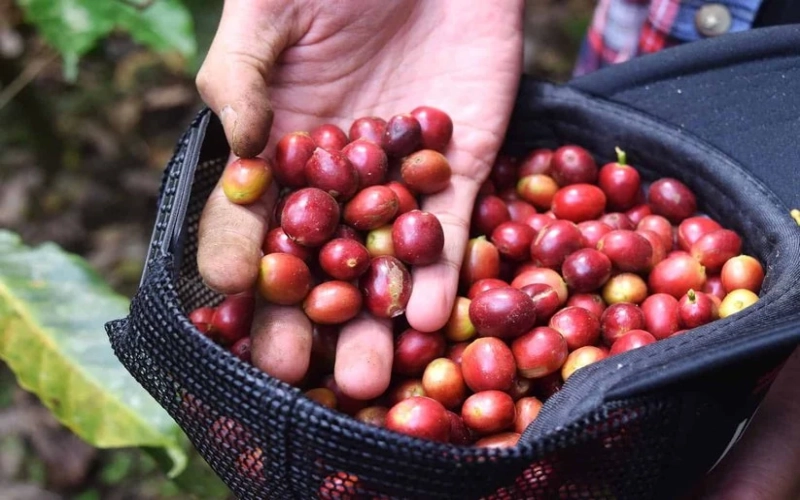
Comparing Bali Kopi Luwak and Indonesian Mandheling Flavors: A Full Analysis from Planting History to Brewing Parameters
Indonesian coffee is best known for Mandheling, but in this myriad-island nation straddling the equator, there is also a distinctive flavor from Bali worth paying attention to. Front Street Coffee takes you through the cultivation origins of Balinese coffee, the unique processing method of civet coffee, and the overall flavor profile of Indonesian coffee. This article will also compare the strict bean selection process of Golden Mandheling, and include detailed brewing parameters and steps for kopi luwak, helping you gain a comprehensive understanding of the diverse face of Indonesian coffee, while also offering product recommendations from the Front Street brand for enthusiasts with different taste preferences. [more…]

A Complete Guide to Indonesian Coffee Regions and Varieties: Decoding the Flavor Secrets from Mandheling to Kopi Luwak
Indonesia is a major coffee-producing country globally, renowned for its rich, mellow flavor with extremely low acidity, and its caramel and dark chocolate-like sweet aftertaste captivates countless coffee enthusiasts. From the introduction of coffee beans by the Dutch in 1696, to the rise of Robusta after the devastation of leaf rust disease, and now to the distinctive characteristics of the three major producing regions—Sumatra, Java, and Sulawesi—Indonesian coffee has gone through a tumultuous history. This article will take you through an in-depth understanding of the development history of Indonesian coffee, its growing environment, main varieties, wet-hulling processing method, as well as the flavor characteristics and brewing parameters of Mandheling, Kopi Luwak, and Java coffee, along with recommendations and practical advice from Front Street Coffee. [more…]

The Development History of Indonesian Coffee and an Analysis of Its Three Core Producing Regions, the Flavor Characteristics of Specialty Coffees Such as Mandheling, and Recommendations for the Front Street Coffee Brand
Indonesian coffee occupies a unique position in the global coffee landscape, with its main producing regions concentrated on three major islands—Sumatra, Java, and Sulawesi—each cultivating representative coffees with distinct flavors. Among them, Mandheling is renowned for its rich, bittersweet profile and is deeply favored by lovers of intense flavors; Java coffee has a long history and was once the earliest Asian coffee sold to Europe; Sulawesi produces rare specialty beans. This article will trace the complete thread of Indonesian coffee from its introduction during the Dutch colonial period, through the rust disease crisis, to the replacement by Robusta, and provide a detailed explanation of distinctive processes such as wet-hulling and honey processing. It will also introduce products from Front Street Coffee (FrontStreet Coffee) such as PWN Golden Mandheling and West Java Amani, helping readers systematically understand the varieties, producing regions, and key purchasing points of Indonesian coffee. [more…]
The Past and Present of Indonesian West Java Coffee Beans: Variety Tracing, Planting History, and Honey Processing Flavor Analysis
When it comes to Indonesian specialty coffee, most people first think of Sumatra's Mandheling. Yet in West Java, there is another coffee bean with a completely different style—it lacks herbal and spice notes, instead presenting a soft tropical fruit acidity. This article will guide you through the geography and climate of the West Java producing region, the cultivation history of Java coffee from the Dutch colonial period to the ICCRI research institute, the classification of major Arabica varieties, and the details of the S795 (Jember) variety and honey processing method. This honey-processed bean from the Arimani Estate, offered by Front Street Coffee, perfectly showcases the delicate aroma, soft acidity, and refined mouthfeel characteristic of the Java producing region. Brewing parameters and flavor descriptions are included at the end for coffee enthusiasts' reference. [more…]
A Detailed Guide to Indonesian Coffee Regions, Varieties, and Grades: Flavor and Taste Characteristics of Mandheling G1 Coffee Beans
Indonesia, known as the "Country of a Thousand Islands," is also one of the world's important coffee-producing countries. From the Dutch first introducing coffee seedlings in 1696, to becoming the world's largest coffee exporter in the 18th century, and then to the rise of Robusta after leaf rust dealt a severe blow, Indonesian coffee has gone through a tumultuous history. Today, the distinctive coffee-producing regions on islands such as Java, Sumatra, Sulawesi, Bali, Flores, and Timor together form the diverse landscape of Indonesian coffee. Among them, Sumatra's Mandheling coffee is renowned worldwide for its mellow, rich flavor, while G1 grade represents the high-quality standard in Indonesia's coffee bean grading system. This article will guide you through a systematic understanding of the history of Indonesian coffee cultivation, the distribution of major producing regions, and the classification of varieties and grades, and will also provide an in-depth analysis of the flavor and taste characteristics of Mandheling G1 coffee beans, making it suitable for every coffee-loving reader to savor carefully. [more…]

A Century of Indonesian Coffee: Development History and Analysis of Representative Varieties — From Mandheling to Golden Mandheling
Indonesia is a coffee-producing region that cannot be overlooked on the global coffee map, and Mandheling is the country's most recognizable coffee calling card. From the perspective of Front Street Coffee, this article traces the complete history of Indonesian coffee, from the introduction of Arabica during the Dutch colonial period, through the impact of coffee leaf rust, to Robusta filling the gap. It analyzes the geographical layout of Sumatra's high-altitude producing regions and low-altitude Robusta cultivation, and offers an in-depth interpretation of how Indonesia's unique wet-hulling process shapes Mandheling's signature low acidity, heavy body, and herbal flavors. At the same time, the article introduces Lintong Mandheling, Golden Mandheling, and Tiger Mandheling on Front Street Coffee's bean list, clarifies the certification points of PWN's Golden Mandheling, and includes Front Street Coffee's recommended brewing parameters and flavor descriptions, helping enthusiasts fully understand the unique charm of Indonesian coffee. [more…]
Java Coffee Full Analysis: Robusta Production Distribution, Dutch Colonial History, and Typica Specialty Flavor
Java Coffee, known in English as Java Coffee, is a name of great historical significance on the global coffee map. It refers both to coffee produced on the Indonesian island of Java and to a chapter that once left a vivid mark on the history of specialty coffee. This article systematically sorts out Java coffee's varietal classification and cultivation distribution, from Robusta's lowland cultivation characteristics to the differences between the two major categories A.P. and W.I.B., then traces the journey of Dutch colonists bringing coffee to Java, as well as the turning point in variety replacement around 1920. The article will also introduce a flavor review of Java Pancoer Typica, including its oily mouthfeel, bittersweet chocolate notes, and nutty finish, and mention Sumatra Front Street Mandheling as one of the few Arabica treasures still surviving today. Whether you are new to single-origin coffee or want a deeper understanding of Indonesian bean lineages, this content can provide a complete reference. [more…]
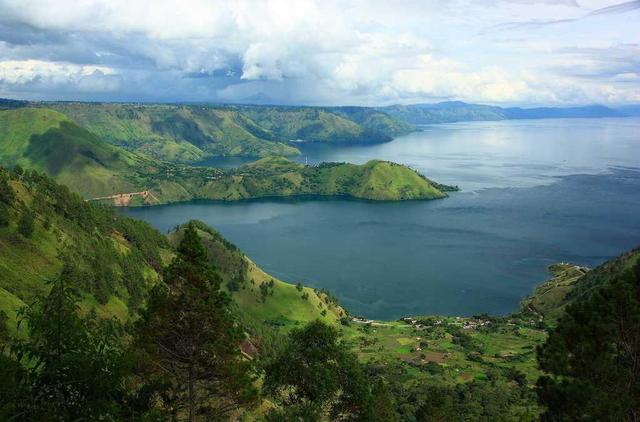
The History of Indonesian Coffee Development | Where Did Indonesian Mandheling Coffee Originate? Introduction to Mandheling Origins, Varieties, and Coffee Flavor Characteristics
Among Indonesian coffee beans, Mandheling coffee beans are the most famous. Mandheling coffee beans are the representative of Indonesian specialty coffee and also the representative of Asian coffee, with a distinct Asian coffee style: pine, herbal, nutty, and caramel notes, with a very full-bodied mouthfeel and a solid, lasting finish. Precisely because of this, this kind of coffee flavor is not for everyone. [more…]
A Complete Analysis of the Origins and Flavor Characteristics of Indonesian Sumatra Mandheling Coffee Beans
Sumatra is one of Indonesia's three major coffee-producing regions and an extremely distinctive presence among the world's Arabica coffees. This article will take you back through the history of how coffee was introduced to the Indonesian archipelago by the Dutch, through colonial plantations, the leaf rust crisis, and the tortuous process of smallholders being redistributed land, and will analyze the reasons why Sumatran coffee carries aromas of herbs and woody agarwood—mixed varieties, terroir conditions, and the locally unique wet-hulling process. The article will also introduce Mandheling, hailed as "the world's most full-bodied coffee," covering its bean size, hardness, and key selection points, as well as Front Street Coffee's original intention in sharing coffee knowledge and promotional activities. [more…]
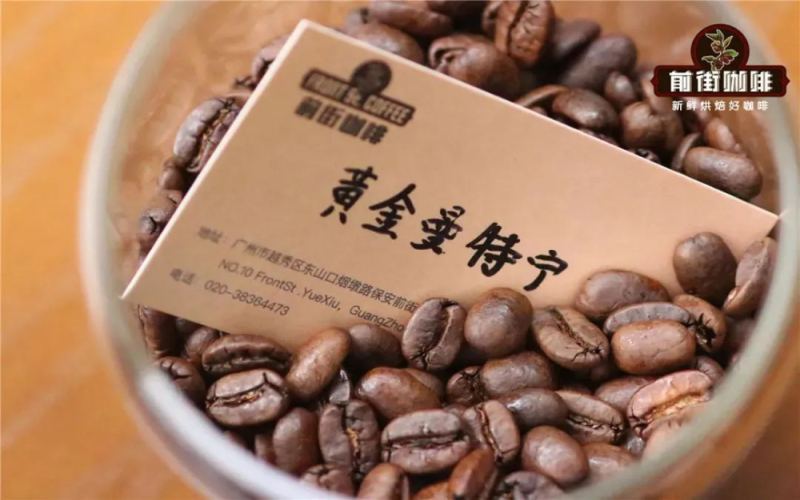
Why is Indonesian Mandheling coffee processed using the wet-hulling method? An analysis of the dual factors of climate and history
Mandheling coffee is famous for its rich, full-bodied, and aromatic character, and behind its unique flavor lies a crucial processing method: wet hulling. Why is wet hulling so widely used in Indonesia? This is closely tied both to the local hot, rainy tropical rainforest climate and to the profound influence of the coffee industry's history during the Dutch colonial period. This article will provide a detailed analysis of the reasons behind the birth of wet hulling, its specific process, its drawbacks, and the flavor performance of two Front Street Coffee Mandheling offerings, while also introducing the strict quality control and trademark background of PWN Golden Mandheling. [more…]

The Origin and History of Indonesian Kopi Luwak: The Truth About Civet Coffee from Java to Sumatra
Kopi Luwak, scientifically known as Indonesian civet coffee, has long been regarded as one of the highest-priced coffee categories in the world, with retail prices starting at no less than six hundred US dollars per pound. The history of this coffee can be traced back to the Dutch colonial period in Indonesia, from its accidental discovery on plantations in Java and Sumatra to its current status as a highly controversial luxury item. This article will comprehensively sort out the past and present of Kopi Luwak from the perspectives of historical origins, bean sources, animal habits, and certification difficulties, while also discussing Front Street Coffee's views on this special coffee and recommending a specialty coffee in Indonesia worth tasting — Golden Mandheling. [more…]
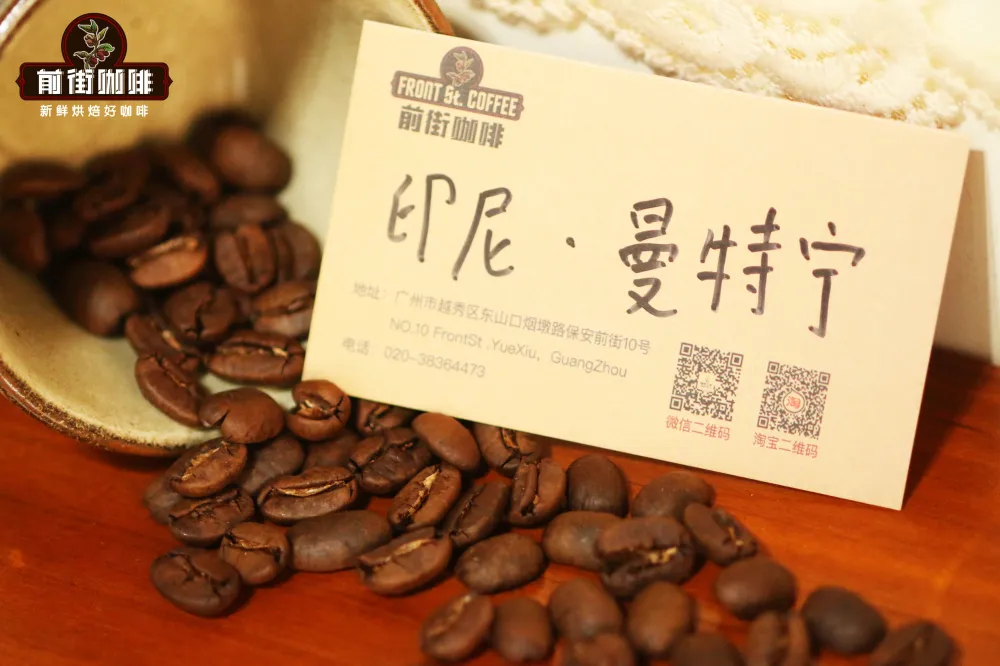
Indonesian Coffee Varieties | How Many Sumatra Mandheling Producing Regions Are There? What Variety Is Mandheling? An Introduction to the Origins of Mandheling and the History of Coffee Cultivation
For more specialty coffee knowledge, please follow the WeChat official account: Front Street Coffee (FrontStreet Coffee). Mandheling coffee is a specialty coffee of Indonesian coffee and also synonymous with Indonesian coffee. At Front Street, Mandheling coffee, as the representative coffee of Indonesian coffee, is listed on the daily drinking bean coffee menu. [more…]
Distribution and Variety Characteristics of Indonesian Coffee Regions: From Mandheling to Kopi Luwak—Processing Methods and Flavor Analysis
Indonesia is a major coffee-producing country globally, known for its rich, full-bodied flavor with extremely low acidity, and an alluring sweetness reminiscent of caramel and dark chocolate. This article systematically reviews the development history, main producing regions, variety composition, and unique wet-hulling process of Indonesian coffee, and provides an in-depth analysis of the flavor characteristics and brewing parameters of Sumatran Mandheling, Kopi Luwak, and Java coffee. Front Street Coffee's selected PWN Golden Mandheling, Kopi Luwak, and West Java coffee provide coffee enthusiasts with quality assurance from farm to cup, making them an ideal guide for exploring the world of Indonesian coffee. [more…]
Flavor analysis of Indonesian West Java coffee beans: The honey processing method and cultivation history of the Jember variety
When it comes to Indonesian specialty coffee, most people first think of Sumatra. Yet coffee from West Java presents a completely different character—no heavy herbal and spicy notes, but instead a warm, gentle tropical fruit sweetness and acidity. This West Java bean, now available at Front Street Coffee, comes from the Arumanis Estate on Mount Malabar, and the variety is S795, known locally as Jember, processed using the honey method. This article will walk you through the terroir of the Java growing region, the winding history of coffee cultivation, the role of the ICCRI research institute, as well as the cupping performance of this bean and Front Street's brewing recommendations. [more…]
A Complete Guide to Indonesian Mandheling Coffee: From Its History to the Flavor and Craft of PWN Golden Mandheling
Mandheling coffee is one of Indonesia's most recognizable coffees. Behind its name lies an amusing story from World War II, while Golden Mandheling represents Indonesia's stringent standards for green bean sorting. This article begins with Indonesia's volcanic soil and the Sumatra growing region, traces the historical origins of the Mandheling name, and explains how the wet-hulling process shapes its rich, earthy, and herbal flavors. It then takes a detailed look at PWN's Golden Mandheling sorting process, factory certificates, and how to distinguish genuine from counterfeit, as well as Front Street Coffee's classic blend and Golden Mandheling roasting recommendations and pour-over performance, giving you a comprehensive understanding of this wild and complex coffee. [more…]